




RICHMOND, Va. — Virginia lawmakers have tasked the state's nonpartisan research commission with spending the next year examining artificial intelligence — studying its use in state government and the private sector, its potential risks and rewards, and where regulation may be needed.
On Monday, lawmakers overseeing the effort received an update on the work plan from the Joint Legislative Audit and Review Commission, known as JLARC.
Staff said they will conduct expert interviews and examine what other states have done on the issue.
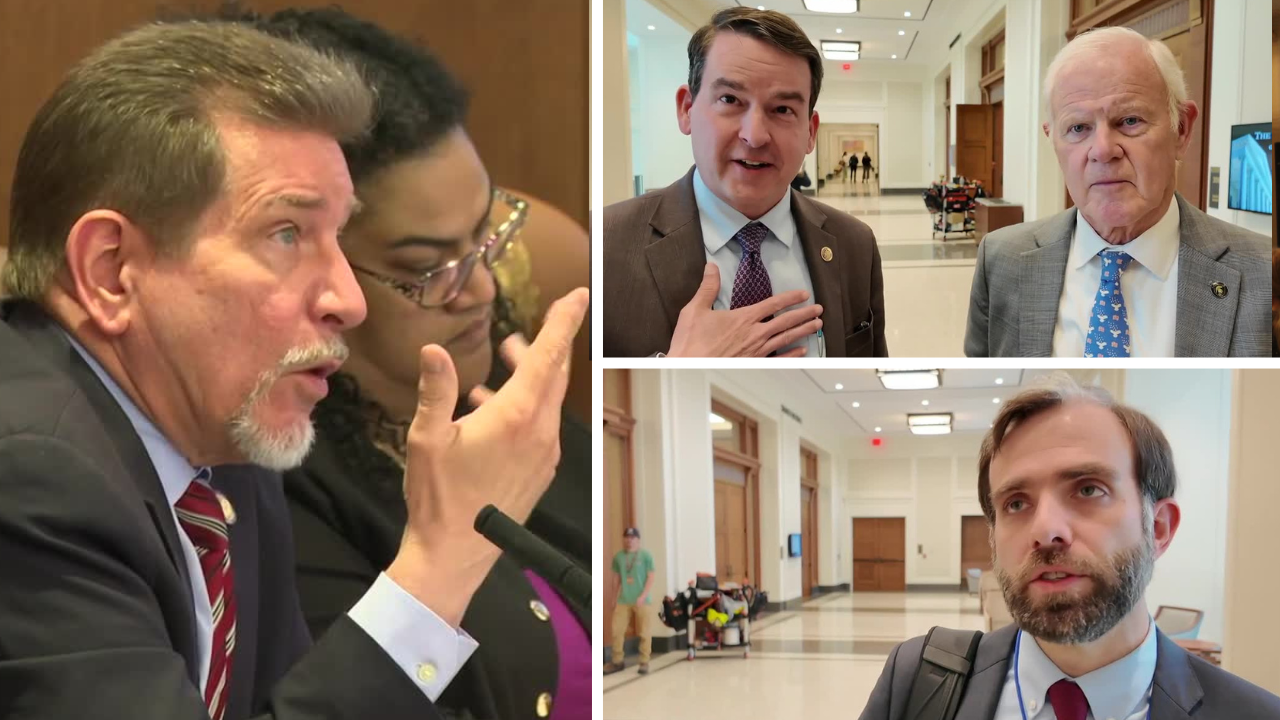
State Sen. Jeremy McPike (D-Prince William) said the technology's reach makes the study essential.
"It's everywhere, and so having a better understanding of where we go forward is important for us," McPike said.
McPike pointed to the wide range of areas where artificial intelligence is already having an impact.
"From education to transportation, traffic, roadways, you name it," McPike said.
Drew Dickinson, JLARC's chief legislative analyst, outlined both the opportunities and concerns the commission will examine.
"Potential opportunities include increased citizen accessibility, operational efficiency, things like that. And on the risk side issues with biased decisions and increased cybersecurity threats, and there's quite a few. So we're trying to get a handle on all those," Dickinson said.
Lawmakers also offered specific areas they want addressed in the final report.
Delegate R. Lee Ware (R-Powhatan) said he wants more details on threats the technology poses to public health and safety, and flagged education as a top concern.
"Education, of course, comes top of mind to me, having been in education, and the challenges that teachers, students, parents, all face in that regard are critically important," Ware said.
During the past General Assembly session, many AI-related bills did not advance, but some were approved and signed into law by Gov. Abigail Spanberger.
Among them is a measure directing the state Department of Education to develop guidelines for schools on the safe and ethical use of AI in instruction.
McPike said he is concerned about the potential for AI to provide faulty information to users, and that one of the biggest challenges lawmakers face is how quickly the technology is evolving.
"I think the question is going to be, are there sort certain core tenets that we can all agree on, on creating a framework that these are things that are fundamental rights around AI, that also protect consumers, that protect information," McPike said.
Any recommendations from the study will also need to account for federal policy. In December, President Donald Trump signed an executive order on AI aimed at blocking states from enacting restrictive laws around the technology and threatening to cut off funding for broadband expansion to states that do.
Ware said balancing state and federal priorities is always a consideration.
"I hope it will not be excessive. I hope we are able to do what we need to do to protect the citizens of the Commonwealth of Virginia, while acknowledging that there are obviously national and international implications of this that are hugely significant," Ware said.
JLARC's findings are expected to be presented to lawmakers in the fall. The General Assembly has also already directed JLARC to study AI's use in colleges and universities the following year.
CBS 6 is committed to sharing community voices on this important topic. Email your thoughts to the CBS 6 Newsroom.
📲: CONNECT WITH US
Blue Sky | Facebook | Instagram | X | Threads | TikTok | YouTube

This story was initially reported by a journalist and has been converted to this platform with the assistance of AI. Our editorial team verifies all reporting on all platforms for fairness and accuracy. To learn more about how we use AI in our newsroom, click here.

