




RICHMOND, Va. — The Virginia Department of Health (VDH) has finalized a plan to pay millions of dollars back to a pharmaceutical company to resolve a billing issue that forced cuts to programs that provide HIV services to low-income and underinsured Virginians.
The magnitude of the billing error was also recently revealed after VDH initially redacted that information in response to a Freedom of Information Act (FOIA) request from CBS 6.
Providers sent 'into a crisis'
Last year, some Virginia clinics that participated in the Ryan White Part B program, a federal initiative that aims to provide care for those living with HIV and prevent spread of HIV, learned they were taking a significant funding cut to their programs.
“When that news came and came suddenly, it was devastating," Karen Legato, executive director of the Health Brigade in Richmond, told CBS 6 in a previous interview. "You go into a crisis mode at that point.”
The funding cuts caused some providers to stop providing support services, such as mental health services and emergency assistance, to Ryan White clients.
At the Health Brigade, Legato said program funding was reduced by 75%. In response, Legato said the clinic almost immediately lost its ability to help over 100 clients post-incarceration, eliminated mental health services, gutted emergency assistance, and decreased its staff of case workers
Other providers, like the LGBT Life Center in Hampton Roads, were completely eliminated as providers.
“I think that we suffered, but I think the real reality of it is the community suffered," Stacie Walls of the LGBT Life Center previously said.
How did the billing error happen?
Roughly half of the funding for Virginia's Ryan White program, which is managed by VDH, comes from voluntary rebates from drug manufacturers such as Gilead Sciences.
But between 2021 and 2023, VDH submitted erroneous claims to Gilead, which caused the company to overpay VDH in rebates.
According to a settlement agreement between the two parties, VDH submitted claims data during that period that was “not compatible with Gilead’s data format specifications."
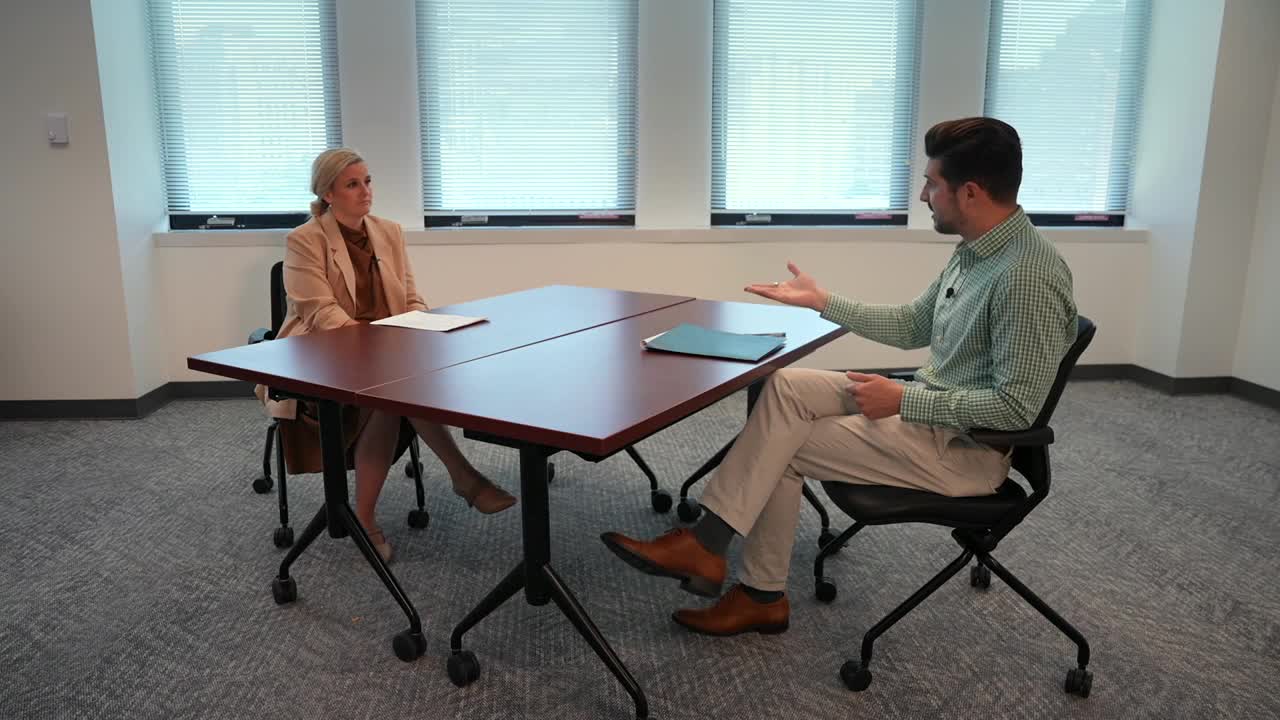
“It was down to how we termed those rebates, the type of rebate it was, and it was simply down to nomenclature. It wasn't an inaccuracy. It was just the use of the words," said Stephanie Dunkel, VDH Deputy Commissioner of Population Health and Preparedness, during an interview with CBS 6 Wednesday.
Dunkel asserted the error had nothing to do with the accuracy of the data itself but rather an issue with how VDH submitted the data.
When asked to elaborate on the "nomenclature" in question, Dunkel said, "It's part of the process in doing rebating across manufacturers, and when we submit files for eligible or ineligible claims. That is the nomenclature specificity."
“Had you labeled that data correctly and submitted it a different way, would there even be a problem?” reporter Tyler Layne asked.
“It's hard to say in hindsight. When we became aware of this, that's the fix that we came to and worked with them to resolve that and understand our files and their files and what was necessary to assure the integrity of this data," Dunkel said.
CBS 6 has asked Gilead for more information about how the wording of the claims led to an overpayment, and we are still waiting to hear back.
A letter sent from Gilead to VDH in 2025 described the issue as "an administrative error which caused claims to be classified and paid incorrectly."
Transparency, communication concerns
The scale of the overpayment has been challenging for CBS 6 to confirm.
CBS 6 first filed a FOIA request in February 2026 seeking a letter Gilead sent to VDH in February 2025 that informed the agency of the billing error and requested a repayment.
However, in response, VDH provided CBS 6 a copy of the letter that redacted the amount of requested repayment among other information. In doing so, VDH used a discretionary FOIA exemption that shields economic development information from mandatory disclosure.
CBS 6 believed this redaction was a violation of FOIA and notified VDH of our intent to file a lawsuit in April. VDH agreed to settle with CBS 6, maintaining its position that it did not violate FOIA, and provided a less redacted version of the letter in June among other documents.
The less redacted version of the letter revealed Gilead requested repayment of $19.6 million for "claims ineligible for rebates" that "were incorrectly paid." In the letter, the company recognized this was a "large amount."
As VDH spent the next year addressing the issue with Gilead, multiple providers said they were forced to slash services with no explanation from VDH as to why.
Legato said she had "no clue" about the billing error until CBS 6 brought it to her attention. Likewise, Walls said she was "incredibly surprised" and "could never really get a sense of what had happened."
“Why did VDH not tell the providers that there was this billing error?” Layne asked Dunkel.
“So this is a complex process to understand the root causes in working with Gilead over the last year. So as that became aware and we had to make cuts, we could have done better in our communication, and I absolutely want to acknowledge that impact," Dunkel said.
VDH to pay back $16.7 million
The finalized agreement between Gilead and VDH reduced the repayment amount to $16.7 million.
Per the terms of the agreement, Gilead will withhold up to $1.25 million in rebates from VDH each quarter through 2030 until Gilead recoups the money.
In the meantime, Dunkel said the General Assembly has allocated $13 million in state funding for Ryan White over the next two years, which she said will be "crucial for the HIV care service network."
VDH had previously removed many support services from the program in order to prioritize covering core services like life-saving medications and insurance. The number of approved services dropped from 21 to seven, and the number of service providers dropped from 27 to 14.
Dunkel said she acknowledged that access points to care have been cut.
“Is there ever a possibility of the Ryan White program going back to how it was before this overpayment issue came about?” Layne asked.
“I’m not sure I can predict the future. Every year we get a grant. That grant maintains, so that is one step here. Additional grant funding becoming available, we apply for that. We take that very seriously. Rebates again are a voluntary manufacturer process. We work very hard to maintain those relationships," Dunkel said.
She added the agency has taken several steps to prevent a similar problem from happening again, including the creation of an internal task force. The group will specifically focus on Ryan White communication, funding, and planning.
CBS 6 is committed to sharing community voices on this important topic. Email your thoughts to the CBS 6 Newsroom.
📲: CONNECT WITH US
Blue Sky | Facebook | Instagram | X | Threads | TikTok | YouTube

