




RICHMOND, Va. — March is Endometriosis Awareness Month, a global initiative dedicated to increasing recognition of the disease, reducing diagnostic delays, and improving access to care.
One in ten women worldwide suffer from the painful disease that can causes severe chronic pelvic pain, infertility, and fatigue when tissue grows outside of the uterus.
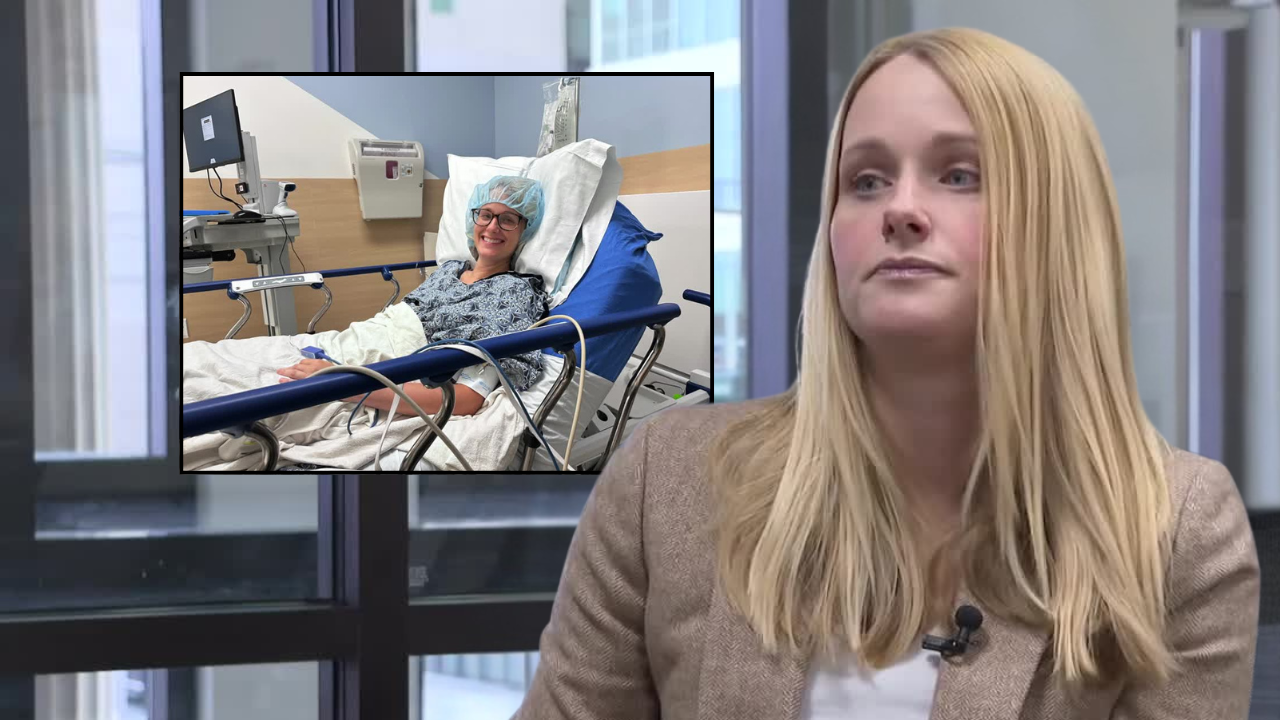
Elizabeth Redford was diagnosed with endometriosis at 29 years old after a decade of living with severe pain, including nausea, vomiting, cramping and heavy bleeding during her period.
Even with a family history of the disease that impacts 200 million women worldwide, it still took Redford 10 years to get an official diagnosis.
That’s in part because to officially diagnose the disease, doctors have to conduct a surgery, which some insurance companies don’t always green light because it can be considered exploratory.
Even though doctors can surgically remove the tissue that's growing outside of the uterus, it can still grow back, which is what happened to Redford and required her to have a hysterectomy last summer. At that time, she was also diagnosed with adenomyosis, the sister condition to endometriosis.
That disease is when that same type of tissue actually starts to grow within the uterine muscle itself, so it actually distorts the shape and size of your uterus.
"My uterus had swollen significantly," Redford shared. "It was distorted in shape, and both endo and adenomyosis are very similar."
She's sharing her story in hopes this month will raise awareness and funding for this disease that’s impacted so many women and often causes infertility too.
"It's not just a bad period," she shared. "It really can be debilitating, and I think in my case, because I had a smile every day, I went to work, I showed up for my friends and family, they didn't really realize that I was suffering. But I was taking the maximum amount of Advil that I could in a day and still really struggling to get through every single day. That's not normal for women. Women should feel safe and happy and healthy. We need more women to share their stories so that women don't feel isolated in this."
Redford says while her endometriosis could return, her doctors have her on birth control, which she says can often reduce the chances of the disease coming back.
CBS 6 is committed to sharing community voices on this important topic. Email your thoughts to the CBS 6 Newsroom.
📲: CONNECT WITH US
Blue Sky | Facebook | Instagram | X | Threads | TikTok | YouTube

This story was initially reported by a journalist and has been converted to this platform with the assistance of AI. Our editorial team verifies all reporting on all platforms for fairness and accuracy. To learn more about how we use AI in our newsroom, click here.

