




RICHMOND, Va. — A Virginia bill designed to protect vulnerable individuals from being used as confidential informants by law enforcement has unanimously passed the state Senate, years after a local mother lost her son to a fentanyl overdose while he was working undercover.
House Bill 1140, which Donna Watson dubs the "Troy Bill," passed the Senate 38-0 on March 4, 2026. Sponsored by Del. Mike Cherry (R-Chesterfield), the bipartisan-supported legislation requires law enforcement to obtain approval from a Commonwealth's Attorney in drug-related investigations before working with a confidential informant.
The bill would also bar anyone who violated parole or probation in the last six months from serving as an informant in criminal cases.
The legislation stems from the death of Watson's son, Troy Howlett. Howlett was a struggling opiate addict who Watson said the Hopewell Police Department turned into an informant after he was charged with drug crimes.
"It was straight fentanyl," Watson said.
Howlett died of an overdose on July 30, 2018, before his undercover deals were scheduled to end.
"He said, 'He's gone. He's gone.' I start screaming," Watson said.
Three years ago, a CBS 6 investigation called into question the police department's use of Howlett at a time when he faced incarceration after surviving an overdose while on probation.
"He begged them that he could not do this. I begged them," Watson said.
WATCH: Her son was a police informant. She blames them for his death.
Text messages obtained by CBS 6 purportedly between Howlett and the Hopewell detective he was working with showed Howlett failed his drug tests at least three times between his undercover operations. Watson said her son was skimming illegal drugs during the controlled buys.
"It's like putting a kid in a candy shop," Watson said.
Despite the failed tests, the messages showed the officer assured Howlett he was "good to go," to which Howlett replied, "OK I will not mess up again."
"It’s a tragic story because her son was trying to get out of an active addiction and it seemed law enforcement kept trying to put him back in the way of that," Cherry said.
Cherry said the new legislation aims to prevent similar situations.
"What this bill does is if someone is dirty and not testing clean, if they are back using because of being a confidential informant, they can’t use them for that," Cherry said. "It’s putting a safeguard in place that I believe wasn’t in place when he was in the situation that would have saved his life."
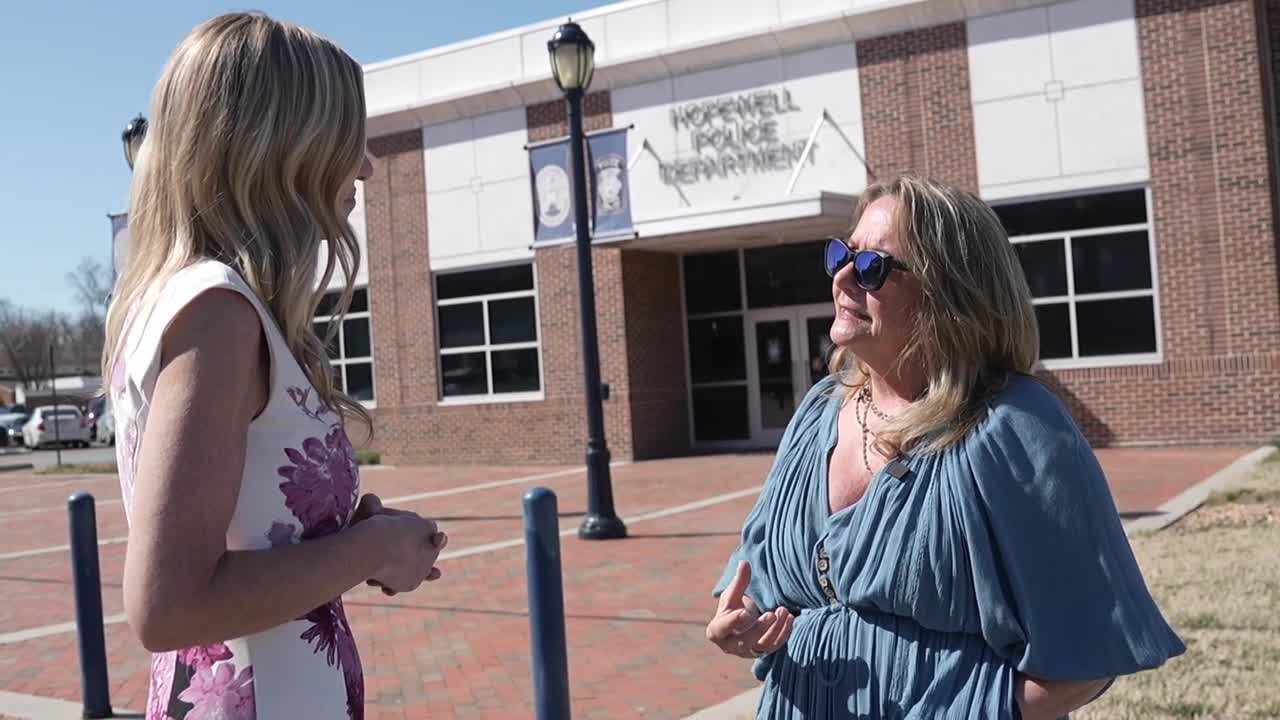
Watson expressed relief outside the Hopewell Police Department following the bill's passage.
"It's almost like, 'Aha. Now you're going to listen,'" Watson said.

Watson said she hopes the legislation forces police to change their tactics when dealing with vulnerable people.
"You had guidelines you just completely ignored, but now there's a bill that says you can't put vulnerable people in that position," Watson said.
The bill is now headed to the governor's desk. Watson said she would also like to see an independent study of her son's case.
"You need to make sure the person you're using isn't in trouble or needs help. You can't do that to someone that's somebody's baby; that's somebody's child. That was my baby," Watson said. "And so hopefully now with this bill, once the governor signs it, hopefully now the police will say, you know, maybe she's right. Let's go find the bad guys, but let's make sure we are using the right person."
Watson believes the legislation will ensure her son's legacy creates lasting change.
"My son didn't die in vain, and my son, his memory is still alive and well," Watson said.
After numerous failed restitution attempts, Watson, the administrator of Howlett’s estate, represented herself in a wrongful death lawsuit against the Hopewell Police
Department, the retired police chief, and the Hopewell Commonwealth’s Attorney.
Her complaint alleged Hopewell Police and the city were aware that her son was addicted to opiates and that he took some of the drugs he was instructed to buy as an informant and that Howlett died of a fentanyl-laced overdose.
Watson initially filed a lawsuit in Chesterfield court 2019.
In late 2021, a judge dismissed the suit.
Watson appealed to the Virginia Supreme Court, but the re-hearing was denied, at which time she filed her complaint in Petersburg.
Petersburg sent the case back to Chesterfield, and Watson asked for the case to be released from Chesterfield and transferred to federal court in Richmond.
That’s when she narrowed the case and sued a Hopewell detective, an employee with Riverside Criminal Justice, and Prince George Probation.
After a year, the federal court dismissed the case on immunity, statute of limitations and res judicata.
It ended up back in Hopewell Circuit, and it’s currently on appeal in Richmond.
Watson is representing herself. She’s not asking for any money. She says she just wants her day in court with a jury trial and will never give up in the name of her son.
CBS 6 is committed to sharing community voices on this important topic. Email your thoughts to the CBS 6 Newsroom.
📲: CONNECT WITH US
Blue Sky | Facebook | Instagram | X | Threads | TikTok | YouTube


