


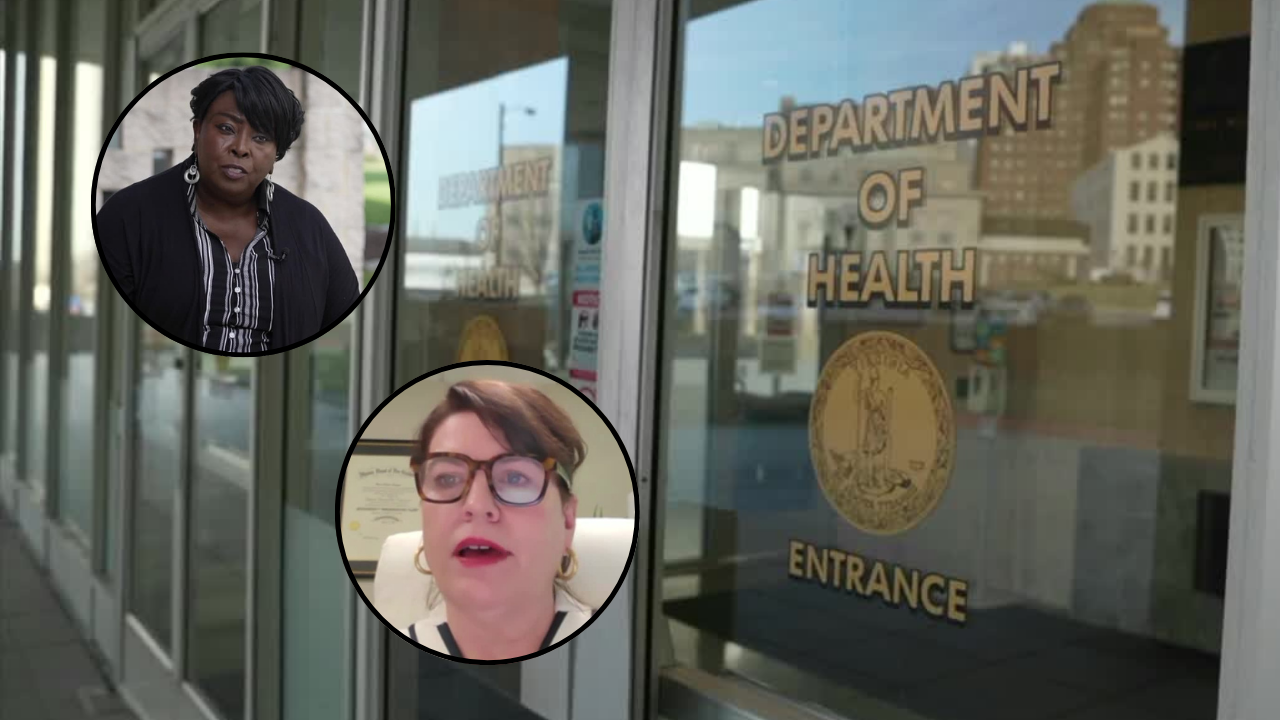


RICHMOND, Va — When someone suffers in a nursing home, what consequence should the responsible facility face? The state is asking for the public's help to answer that question.
As nursing home complaints continue to rise in Virginia, some families and advocates have been pushing for more rigorous enforcement actions against poor-performing facilities.
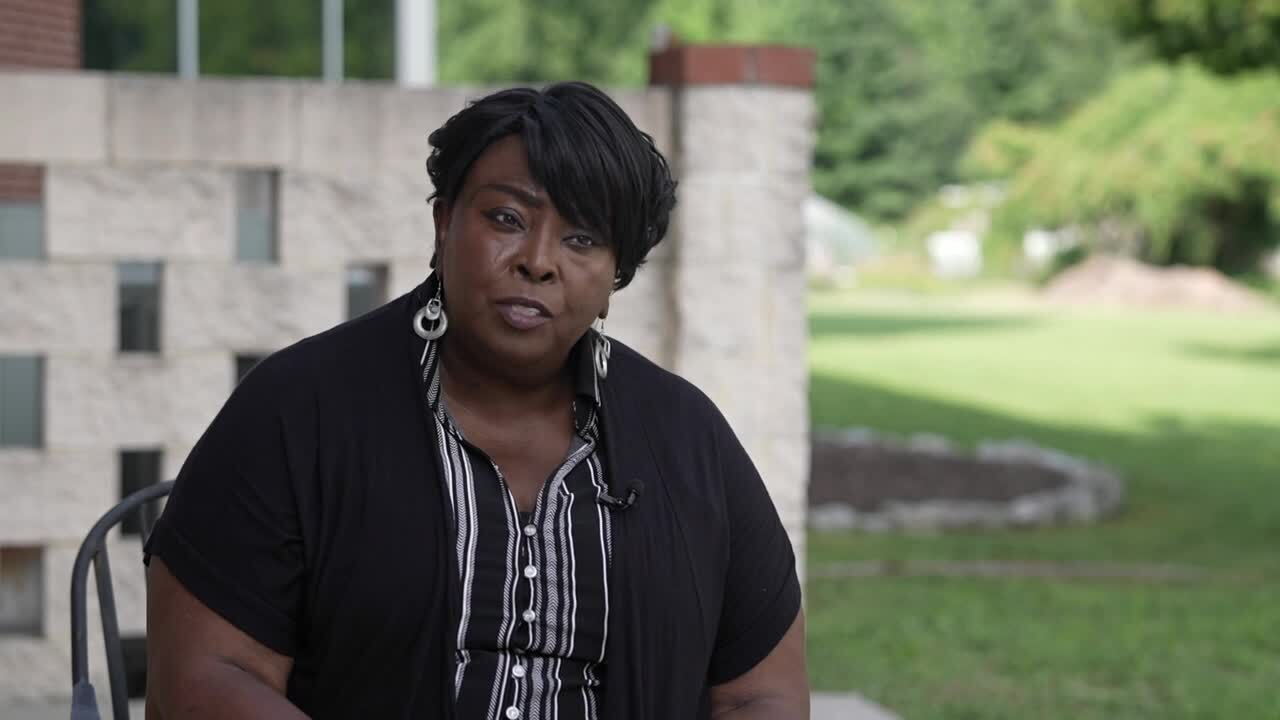
“There needs to be stronger accountability," said Tracey Pompey, founder of Justice and Change for Victims of Nursing Facilities.
“We have still far too many situations where families and residents are encountering care that is not what it needs to be," the state's Long-Term Care Ombudsman Joani Latimer said in a previous interview. "I think we're currently seeing leadership in the state and across agencies try to really build up, enhance our enforcement and oversight."
Now, the Virginia Department of Health (VDH), which is in charge of overseeing these facilities, has proposed new guidance for when it should take action in response to quality and safety problems.
Current state law allows VDH to restrict or stop nursing homes from taking in any new residents, revoke or suspend their license, and petition the court to impose fines or appoint outside management to take over.
VDH has admitted to not putting these powers to use in the past and is looking to change that.
“We need to be doing more from an accountability measure and making sure that we are taking appropriate action at the state level," VDH's Office of Licensure and Certification Director April Dovel said at a public meeting last month.
The proposed guidance lays out triggers for possible sanctions when the following are identified during inspections:
- Repeat violations
- Failure to correct problems by a revisit inspection
- Abuse or neglect
- Serious threats to resident health or safety
- Systemic noncompliance
In every case, VDH would weigh the severity of the issue before deciding on a penalty. None of these triggers would automatically result in sanctions or limit authorized actions VDH could take.
Dovel said these sanctions would only apply to findings associated with state licensure inspections. It's important to note that a majority of the inspections VDH performs are actually federal inspections conducted on behalf of the Centers for Medicare and Medicaid Services (CMS). Findings from federal inspections go through a separate enforcement process governed by CMS.
VDH has long had the ability to impose the sanctions cited in this guidance. An actual new set of enforcement tools — which will allow the agency to place a license on probation, impose fines without going through court, and mandate training — were approved in the 2025 state legislative session and are going through a regulatory development process. Once that process is complete, VDH said its guidance document will be updated again.
Public response to proposed sanctions
Dana Parsons with LeadingAge Virginia, which represents only non-profit nursing homes, said the group supports VDH's vision and called it a "positive step."
That said, Parsons hopes the agency allows providers an opportunity to make corrections in response to deficiencies and applies consequences fairly.
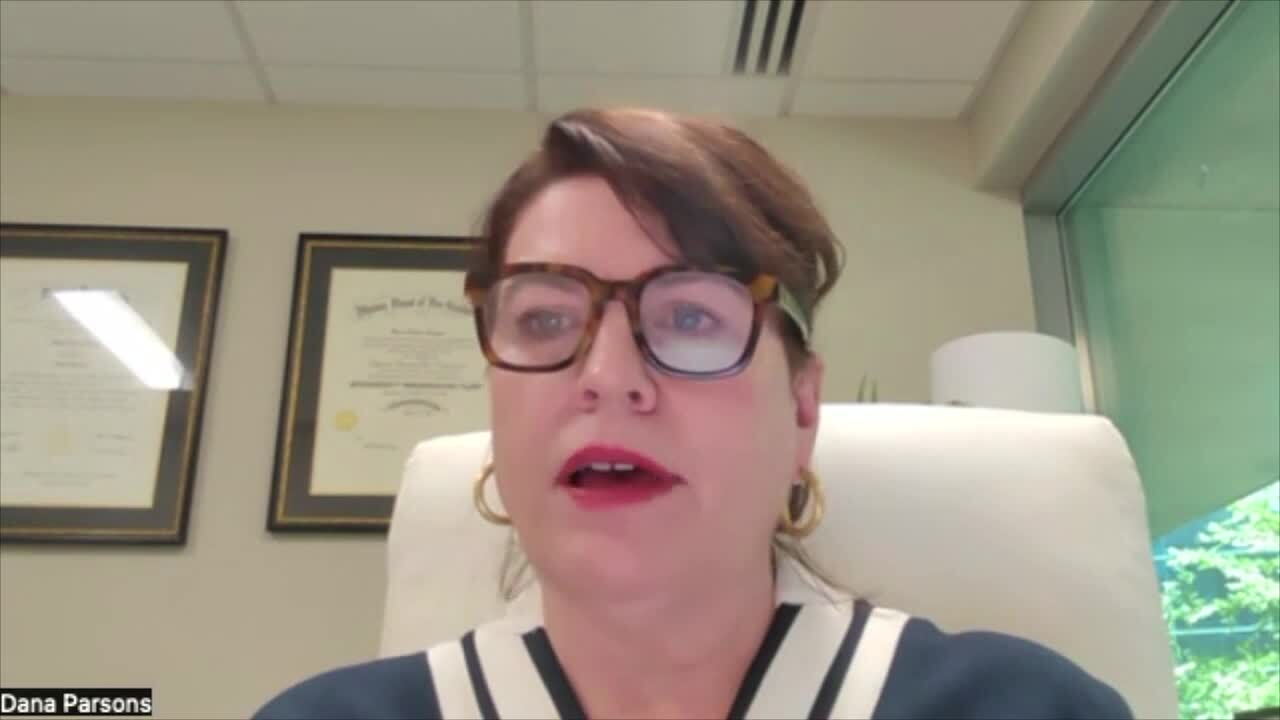
“They really need to look at all the circumstances involved, and not just necessarily see a particular issue and think, ‘Oh okay, here's a sanction,'" Parsons said.
VDH is now seeking public feedback on the guidance. The comments submitted so far are mixed.
- One person, who commented as the family member of a former nursing home resident, said sanctions for serious failures should be required rather than just considered.
- Another person who commented anonymously called nursing homes in their rural area "abysmal." They thanked VDH for tightening regulations and told the agency to "push harder."
- Another person labeled their comment "only skimming the surface" and said they felt the "systems designed to protect vulnerable people are failing."
Pompey said she believes families will have more confidence in the system if they see facilities face real consequences.
“We have to have stronger penalties for facilities that continue to show a pattern of harm to the elderly," Pompey said.
Parsons said non-profit providers tend to have better resident outcomes and that they welcome working with the state on further improvements.
“Any time the state is wanting to be a partner in being able to provide information that can help them provide better care and have better resident outcomes, they're embracing that," Parsons said.
Your comments could help shape how the state holds nursing homes accountable. The public comment period is open through September 9. You can submit your feedback here.
Click here to email the CBS 6 Newsroom.
Share your nursing home stories with the CBS 6 Investigative Team: Email Melissa Hipolit and Tyler Layne

-
-
Eat It, Virginia! with Scott and RobeyUntold with Catie Beck
-
-
-
This story was initially reported by a journalist and has been converted to this platform with the assistance of AI. Our editorial team verifies all reporting on all platforms for fairness and accuracy. To learn more about how we use AI in our newsroom, click here.
 Facebook
  TikTok
  YouTube
 Blue Sky
 Instagram
 Threads
 X
X