



RICHMOND, Va — When peoples' water pressure dropped in parts of Richmond last week due to power loss at city pump stations, it highlighted a gap in the Department of Public Utilities' (DPU) backup power systems that was also apparent in the water crisis of 2025.
But this time, DPU's response mitigated significant and prolonged water disruptions for customers.
According to DPU, it all started when a car ran into a utility pole the evening of November 2, which knocked out power to two pump stations that service the city's Fan and Northside neighborhoods.
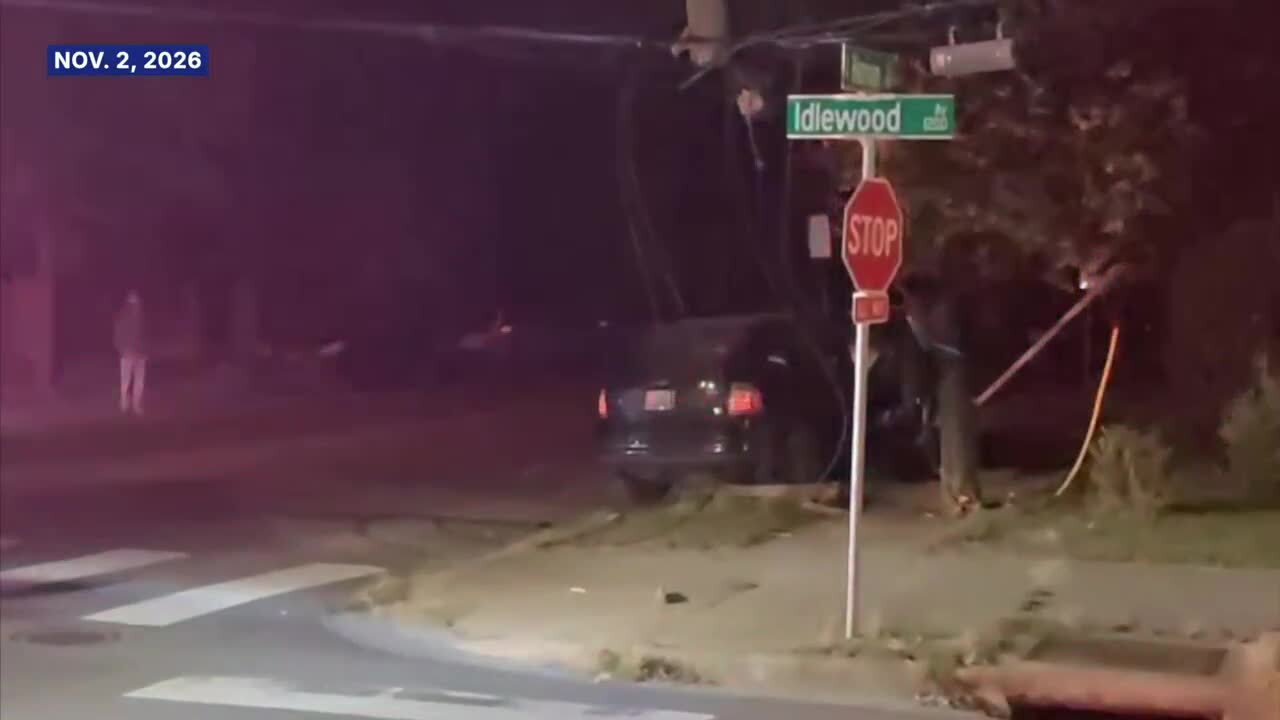
Many customers reported to CBS 6 that their water pressure was low that evening.
DPU said crews responded to the impacted pump stations to manually connect a generator, and within a couple hours, peoples' water pressure returned to normal.
City officials said there was no need for a boil water advisory.
But why was the generator manual and not automatic?
Engineer Joel Paulsen, with 20 years of experience in water systems, said that struck him as unusual.
“A city the size of Richmond should have a reliable drinking water system, and part of the reliability of any type of a system like this, it would be automatic switching for power to make sure that those pumps are never interrupted and that pressure within the system is never dropping," Paulsen said.
Let's rewind to the 2025 water crisis, when much of the region lost water for multiple days.
That also stemmed from a power outage at the main drinking water plant, and after-action investigations found a key factor was that the facility did not have an automatic generator.
Moving forward, the Virginia Department of Health recommended that DPU provide for an automatic transfer of power to the generator at the plant.
The state did not recommend that DPU do the same for all of its smaller pump stations.
When asked whether DPU has automatic or manual generators across all pump stations, spokesperson Rhonda Johnson said it is a mix.
CBS 6 found a February 2026 capital improvement plan document in which DPU identified one of the impacted pump stations for automatic generation. Johnson said that project is expected to be completed within three years.
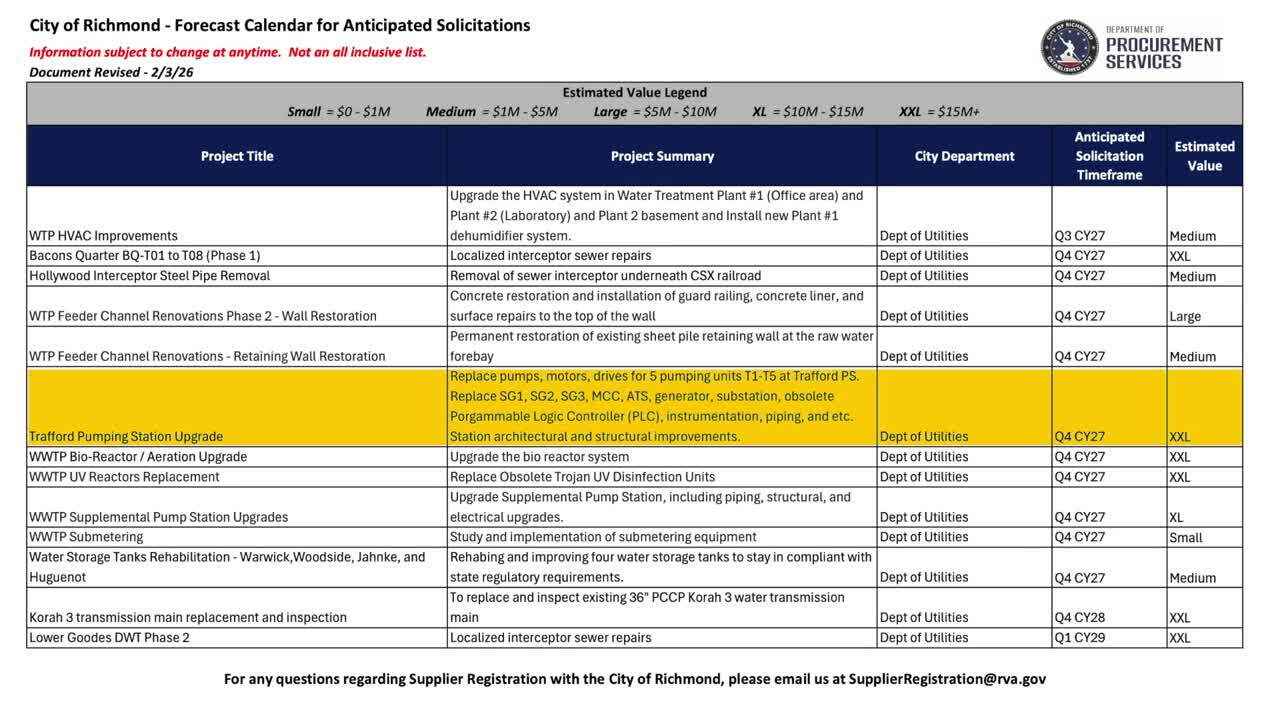
"No system is 100 percent reliable; however, systems can be made to be more reliable. This is the reason that Trafford Pump Station was identified for upgrades. An automatic transfer switch would reduce the time to restore power to the pump station and minimize pressure fluctuations, however the system would still need to be checked by staff for proper operations," Johnson said.
Though Paulsen sees automatic generation as the ultimate fix, he said it appeared DPU's response to the November 2 incident was successful.
"As long as they were able to switch the power before the water pressure reached the critical level, the response time was adequate. However, obviously, from a number of complaints of customers having low water pressure, that's something that a municipality doesn't want to deal with. And having automatic generation would have prevented that from occurring and anybody from even noticing," Paulsen said.
Watch Tyler Layne's reporting on CBS 6 and WTVR.com. Have something for Tyler to investigate? Email him.