




RICHMOND, Va. — Making a home safer as you get older doesn’t always require a major renovation.
Small changes, like adding grab bars or improving lighting, can help people stay safe and independent in their homes.
During National Aging in Place Week, Elizabeth Redford, an accessibility home consultant and owner of Everette Homes, is encouraging families to think about home safety before an unexpected medical issue forces them to make changes.
Redford’s interest in accessible housing grew out of personal experience. After her grandfather suffered a major stroke, her family had to figure out how to make his home safer as he recovered.
She said many of the changes he needed were relatively simple, including grab bars, improved lighting, a shower bench and smart technology to help with daily routines.
“So that’s really the goal with Everette is we come in, we do a home assessment, we identify what needs to be updated, we come up with a prioritized list,” Redford said.
Redford said families can start by looking for potential hazards throughout the home, especially in bathrooms and other areas where falls can happen.
Some of her recommendations include:
- Install grab bars: Modern options come in a variety of finishes and styles that can complement a home’s design.
- Improve nighttime lighting: Motion-activated lights can help people see where they are going when getting up during the night.
- Reduce slipping hazards: Traction strips and slip-resistant surfaces can make bathrooms safer.
- Remove tripping hazards: Loose bath mats and uneven flooring transitions can increase the risk of falls.
- Plan for accessibility: Wider doorways and first-floor living spaces may make it easier to navigate a home as mobility needs change.
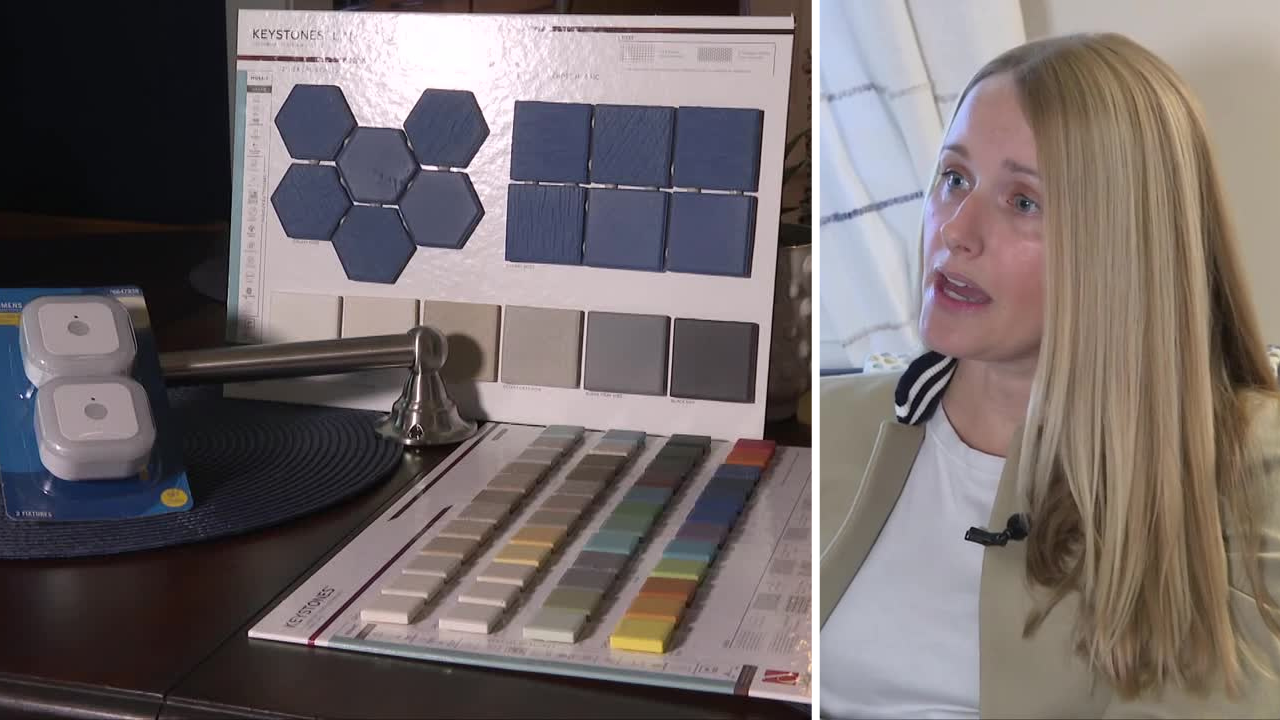
Redford said accessibility improvements do not necessarily have to make a home look clinical or institutional. Families can find stylish fixtures and finishes that balance safety with their personal design preferences.
"I think where people get overwhelmed with this process is they automatically assume that in order to prepare for aging in place that they have to do major renovations and so they put it off because they're nervous about the costs involved or they're worried their home's going to look very clinical and sterile, and they don't want that," she explained. "But there are ways to, I think, achieve both. We've come a long way with fixtures and finishes."
For families dealing with a sudden illness or injury, figuring out how to make a home accessible can become another source of stress during an already difficult time.
Redford encourages homeowners to consider their future needs before a crisis occurs. Starting early can give families more time to prioritize projects, compare costs and determine which updates make the most sense.
CBS 6 is committed to sharing community voices on this important topic. Email your thoughts to the CBS 6 Newsroom.
-
-
Eat It, Virginia! with Scott and RobeyUntold with Catie Beck
-
-
-
This story was initially reported by a journalist and has been converted to this platform with the assistance of AI. Our editorial team verifies all reporting on all platforms for fairness and accuracy. To learn more about how we use AI in our newsroom, click here.
 Facebook
  TikTok
  YouTube
 Blue Sky
 Instagram
 Threads
 X
X
