


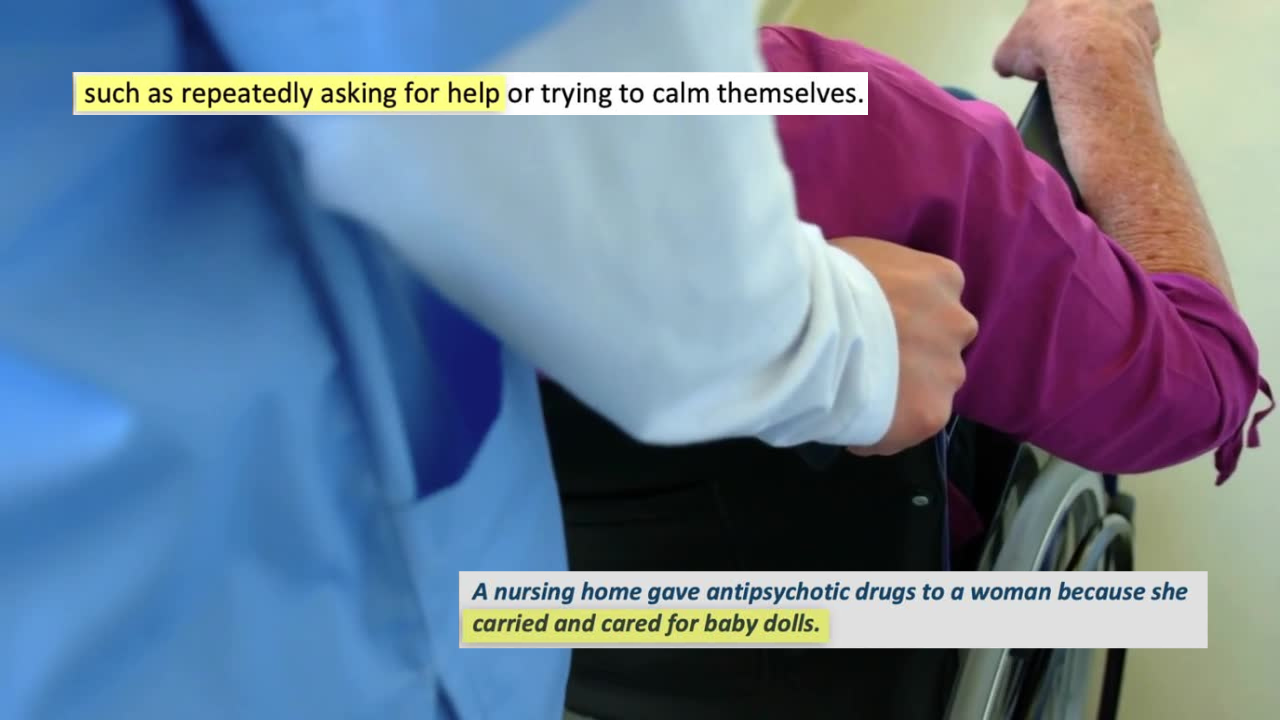


RICHMOND, Va. — A Virginia nursing home resident with dementia would cry out at night when there were long delays in answering her call bell. The facility responded by giving the woman antipsychotic drugs as a way of chemically restraining her. That's according to a newly released federal inspector general report, which found "alarming" instances of facilities across the country inappropriately using antipsychotic drugs to manage residents' behavior for the convenience of staff.
The findings of the report are based on a review of 40 nursing home inspections focused on dementia care or schizophrenia nationwide from 2018 through 2021. The inspections resulted in violations of Medicare requirements that antipsychotic drugs should only be used to treat medical symptoms.
The report revealed the medications were used to "quiet" residents and address "harmless behavior" such as signaling a need to use the bathroom and carrying dolls.
Virginia advocacy groups representing providers and patients said the findings were cause for concern.
“The misuse and masking of antipsychotic medications outlined in this report are really deeply troubling and unacceptable," said Dana Parsons, vice president and legislative counsel for LeadingAge Virginia, which represents only non-profit nursing homes.
“They should be used to treat a legitimately diagnosed condition, not control someone's behavior, and furthermore, a nursing home should have the prior, express authorized consent of a patient or their representative to be able to use these drugs," said Jim Dau, state director of AARP Virginia.
According to the report, facilities did not take steps to protect residents despite a known FDA warning that these drugs can increase the risk of death for elderly people with dementia. It concluded some nursing homes immediately turned to antipsychotic drugs without trying other interventions first and that medical directors and nursing home pharmacists failed to prevent inappropriate use.
A companion federal inspector general report further found nursing homes misdiagnosed residents with schizophrenia to mask their misuse of antipsychotic drugs. It cited "orchestrated efforts" to add the diagnosis to resident records. In one case, it said staff described attending seminars and trainings held by their company instructing them on how to add the diagnosis and modify information submitted to regulators.
The report said some facilities masked the inappropriate use to artificially inflate their star ratings. These are publicly available indicators of nursing homes' quality of care performance that consumers can use when selecting a facility.
Jim Dau with AARP Virginia said policy action is necessary to prevent future harm and address root issues, such as low staffing in facilities.
“This is part of a bigger problem, which is that for many people in nursing homes, literally our most vulnerable neighbors, they don't have adequate care on their nursing home floors," Dau said.
Toby Edelman, a senior policy attorney with the Center for Medicare Advocacy, said the findings of the reports were "devastating" and "horrific."
"Where is enforcement? Nursing homes use drugs as a substitute for appropriate nurse staffing. The problem will only get worse as facilities remain grossly short-staffed," Edelman said.
Dana Parsons with LeadingAge Virginia is calling on federal regulators with the Centers for Medicare and Medicaid Services (CMS) to strengthen oversight, improve transparency, and clearly define appropriate versus inappropriate use.
“At the same time, CMS must support providers with the workforce resources, clinical guidance and training needed to ensure these medications are used appropriately, and then individuals receive safe, dignified and truly person centered care," Parsons said.
In a statement, Amy Hewett with the Virginia Health Care Association, which represents nearly all nursing facilities in the state, said, "Nursing homes work collaboratively with residents, their families, and medical providers to understand and meet the unique needs of every resident. We support the appropriate use of medications to meet individual resident needs, with the right medications at the right times."
CBS 6 is committed to sharing community voices on this important topic. Email your thoughts to the CBS 6 Newsroom.
📲: CONNECT WITH US
Blue Sky | Facebook | Instagram | X | Threads | TikTok | YouTube


