


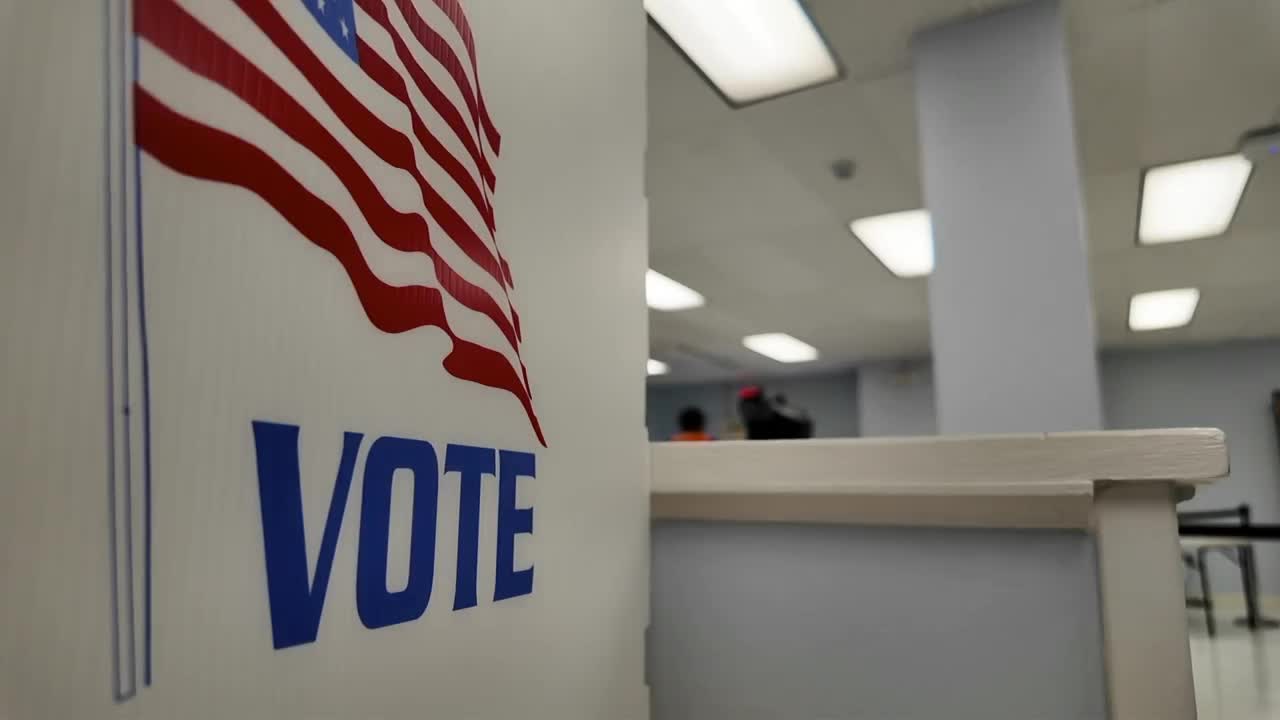


RICHMOND, Va. — Virginia voters heading to the polls this year will weigh three proposed changes to the state constitution, including a measure that would change how people convicted of felonies get their voting rights restored once they are released from prison.
If approved by voters, Constitutional Amendment 3 would enshrine a "fundamental right to vote in the Commonwealth" and would automatically restore a felon's right to vote after being released from prison.
Watch: Early voting picks up as Virginia holds first Sunday voting
Under the current system, felons have to individually petition Virginia's governor to have that right restored.
"We've had some governors who just wanted to broadly restore the voting rights of felons. Other governors went through it case-by-case," said Virginia Commonwealth University Political Science Professor John Aughenbaugh.
The current system goes back to the state constitution approved at the turn of the last century. A federal judge ruled this year that it violated an 1870 federal law and Virginia now says most felons can register to vote after serving their time without the governor's approval — except for those convicted of murder and voluntary or involuntary manslaughter.
"Basically in the last, roughly 25-to-30-years a number of states have made it easier for felons that once they complete their sentence, they regain their voting rights," Aughenbaugh said.
Among those pushing for the amendment's passage is Del. Cia Price (D-Newport News), who said giving someone back their right to vote will help improve their morale as they try to get back on the right path.
"Instead of it being based on who is in charge at the time, this would be a right for all eligible Virginians to have that right to vote, no matter who's in charge," Price said.
"When someone walks out from incarceration, they have moved on into the next phase of their lives and I think that that is important that they come back to our communities as full citizens," Price added. "So it's exciting for people to get that right back and then rejoin the rest of us that would have that right to vote because of the first part of the amendment."
But opponents like House Minority Leader Terry Kilgore (R-Scott) said they are not opposed to second chances, but there are elements of the proposed amendment they cannot support — including that it does not differentiate between giving the automatic restoration between violent and nonviolent crimes.
"We've separated nonviolent and violent felonies as it relates to different issues and I think this is one of those times it should have been separated," said Kilgore. He added the second issue was that felons would not have to finish paying any court costs or restitution before getting their vote back.
"I think the end result is going to be that we're going to leave our victims and our state high and dry," Kilgore said. "I think a lot of a lot of us would have supported the amendment had there been a provision in there that once an individual is released from incarceration and they've paid their fines and cost and and or their restitution, then they would get their rights back to vote automatically."
Price said Virginia has an ugly history of tying money to voting — including a poll tax — and while she understands restitution as an important part of the justice system, it shouldn't prevent someone from casting a ballot.
Early voting is underway in Virginia and runs until Oct. 31. Election Day is Nov. 3.
If you want to learn more about what is on the ballot this year, check out CBS 6's Election Guide.
CBS 6 is committed to sharing community voices on this important topic. Email your thoughts to the CBS 6 Newsroom.
-
-
Eat It, Virginia! with Scott and RobeyUntold with Catie Beck
-
-
-
This story was initially reported by a journalist and has been converted to this platform with the assistance of AI. Our editorial team verifies all reporting on all platforms for fairness and accuracy. To learn more about how we use AI in our newsroom, click here.
 Facebook
 TikTok
 YouTube
 Blue Sky
 Instagram
 Threads
 X

