




RICHMOND, Va. —Richmond's Fan District is home to Cary Street Station. The multi-million dollar mixed-use development with office space, condos, and restaurants that fully opened around 2018.
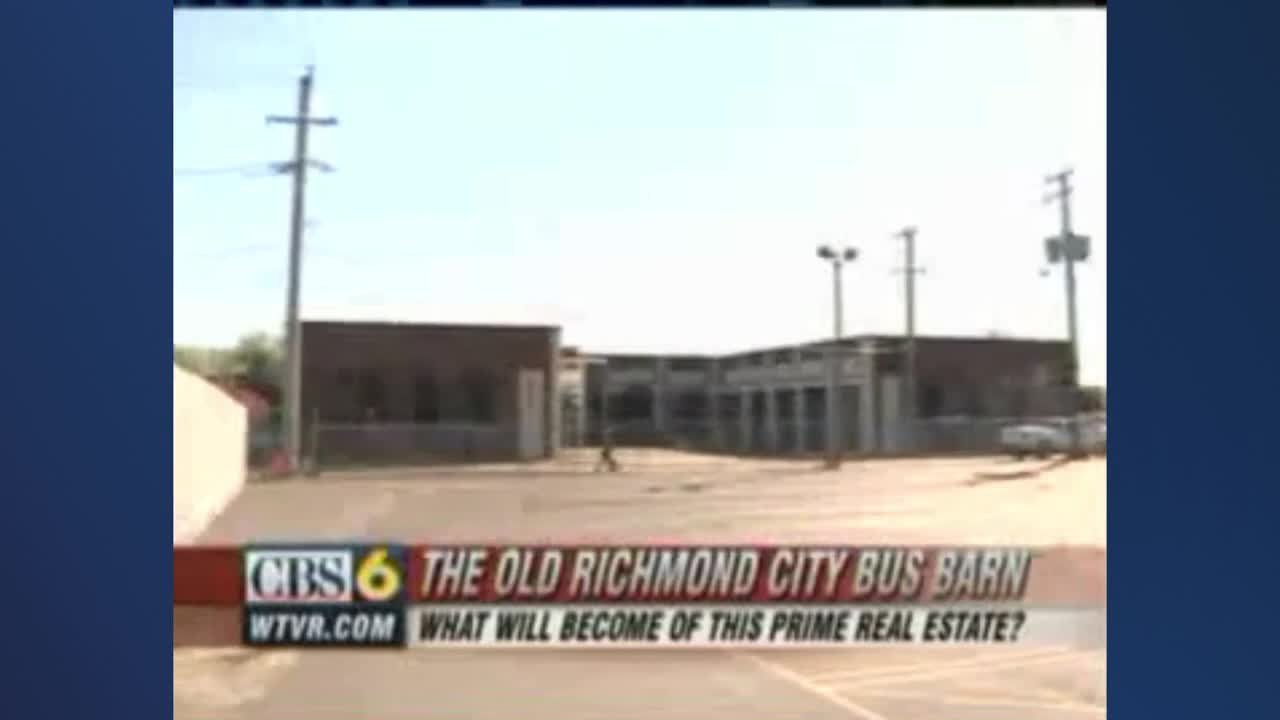
But before it was built, the land at the corner of Cary and Robinson streets once housed GRTC's bus depot, and before that, Richmond's trolley system.
When GRTC relocated its depot to South Richmond in 2010, it opened up the prime property for redevelopment.
After the buses moved but before development got underway, CBS 6 reported on the possibilities the land could hold.
Six acres and four full city blocks in the heart of the Fan drew attention after the city moved to acquire the former Greater Richmond Transit Company bus barns off Cary Street.
"It's a crossroads of existing commercial and residential," one neighbor told CBS 6 in 2011. "You've got Carytown back here, the Robinson Street corridor with its shops and restaurants. The Fan is just back over here, across this way is Bird Park, right across the RMA. It all comes together right here."
The property included eight large barns and had served the city's transit system for more than 100 years, first as a trolley barn and later as a bus facility.
Neighbors remembered the constant activity.
"[The buses] woke everybody up every morning, coming back, and five in the morning, they were all leaving again," another neighbor said.
At the time of CBS 6's reporting, development was still years away.
The site required significant environmental cleanup before any redevelopment could begin. City officials said community input would also be part of the process.
Tammy Hawley, spokesperson for then-Richmond Mayor Dwight Jones, said the project aligned with the administration's vision.
"He wants to grow Richmond by design and not by default," Hawley said. "We also want to engage the community and explore ideas for best use."
Residents already had ideas.
Suggestions from neighbors included a skate park, a community center for young people, and retail options including a Walmart with a gas station.
Developer Richard Nucklos saw broader potential.
"You're talking about restaurants, you're talking about condos, you're talking about office," Nucklos said. "If you could get a little high rise, if you get a little height to it, it would be better. I'm sure, there'll be a fight about that."
What ultimately rose on the site was Cary Street Station, the mixed-use development that now anchors that corner of the Fan.
In the years after the buses rolled out and revelopment began, the depot briefly transformed into one of Richmond's largest outdoor art gallery.
In September 2013, people flocked to the site for the second RVA Street Art Festival, where artists spent three days creating murals across the buildings.
The festival included public art, mural sessions, sculpture and mixed-media exhibits, alongside stories about Richmond's transportation history and future.
The depot's long West Cary Street wall became home to an interactive mural called the "Light of Human Kindness," featuring stories about acts of kindness illuminated by 1,000 LED light pods.
"We collected stories about light and dark, and an act of kindness that kind of made the difference for someone," explained local writer and photographer Patience Salgado, who spearheaded the project.
The murals became Instagram-famous, appearing in countless photographs over three years. But organizers knew the art was temporary.
Are there other CBS 6 is committed to sharing community voices on this important topic. Email your thoughts to the CBS 6 Newsroom.
📲: CONNECT WITH US
Blue Sky | Facebook | Instagram | X | Threads | TikTok | YouTube

This story was initially reported by a journalist and has been converted to this platform with the assistance of AI. Our editorial team verifies all reporting on all platforms for fairness and accuracy. To learn more about how we use AI in our newsroom, click here.

