




RICHMOND, Va. — A bill allowing doctors to prescribe life-ending medication to terminally ill patients with less than six months to live has cleared its first hurdle in the Virginia General Assembly, setting up a debate over whether Virginia should join 12 other states and Washington, D.C., in approving medical aid in dying legislation.
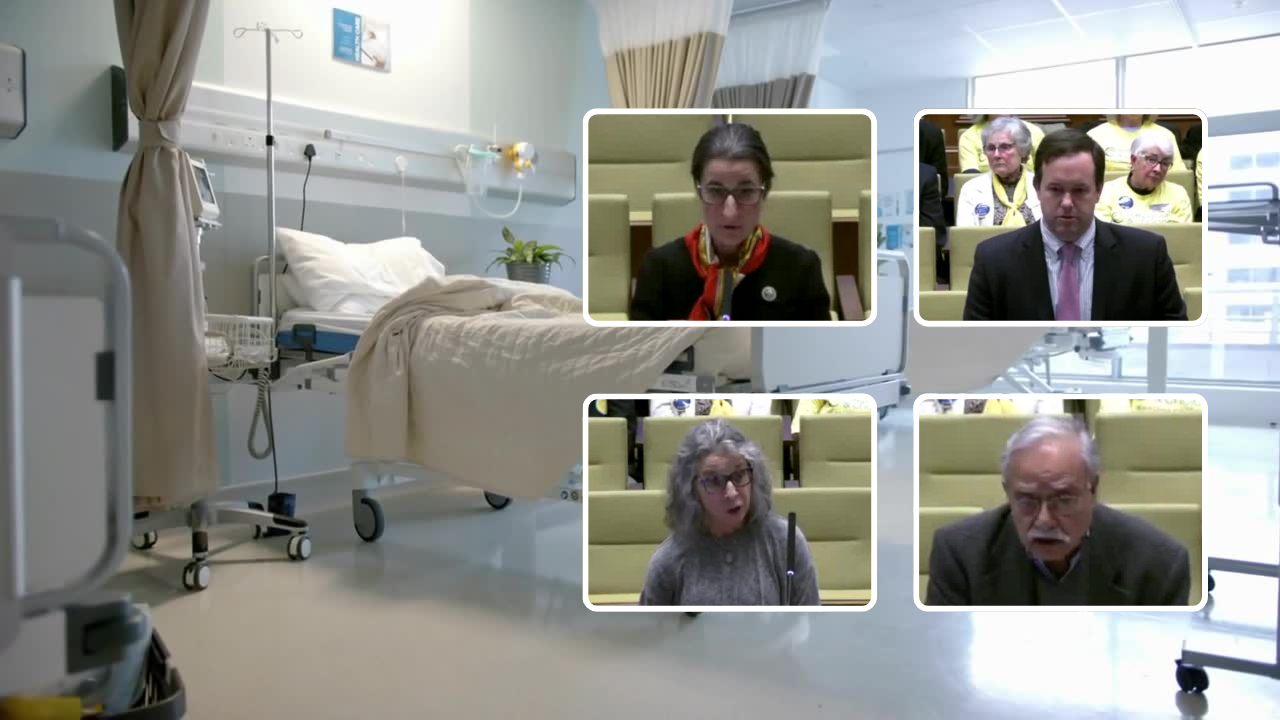
The Senate Health subcommittee heard testimony from both opponents and supporters Tuesday during debate on the measure, sometimes called physician-assisted suicide or death with dignity.
"We know that when someone knows that they're going to be dying, they want to have some control over how it's done," said Sen. Jennifer Boysko (D-Fairfax), the bill's sponsor.
The legislation would only be available to Virginia residents who are 18 or older with a terminal illness and have been diagnosed with no more than six months to live. The process includes multiple safeguards and waiting periods.
Patients would need to make two oral requests separated by 15 days. Both their doctor and a second physician must agree they qualify. The doctor must also have one-on-one conversations to ensure patients are not being coerced and inform them about alternative care options.
If there are concerns about the patient's ability to make an informed decision, they would be evaluated by a mental health expert. Patients must then make a written request co-signed by a third party who is not related to them or named in their will.
If a patient receives and takes the medication, their cause of death would be listed as their terminal illness, not suicide.
Supporters who testified included physicians, hospice workers and those who say they would qualify for the medication. They argued it gives patients control over their own lives while maintaining adequate protections.
"Rather than enduring a slow, unbearable decline, I want the legal right to choose medically assisted dying for a humane, peaceful, compassionate end with my loved ones by my side, sparing them from witnessing a prolonged, traumatic death," one supporter said.
"The bill that is in front of you has all the controls to prevent any kind of misuse," another supporter testified.
However, opponents, including the Medical Society of Virginia, expressed concerns based on data from Oregon's program showing that losing autonomy and being a burden on family ranked as higher concerns for patients than pain. They argued the legislation sends the wrong message to society and will impact how doctors do their job.
"Plainly, our membership feels that this directly affects and undermines the patient physician relationship, as well as skews incentives in the wrong direction," one opponent said.
"When the state affirms assisted suicide, the message heard by our vulnerable patients is, 'Yes, you are a burden. Yes, you are less valuable. And yes, you are better off dead.' That's not dignity, that's despair codified into law," another opponent testified.
The bill also creates Class 2 felony charges for anyone who attempts to coerce someone into obtaining the medication and requires doctors who agree to prescribe the medicine to undergo implicit bias training.
Attempts to pass by or effectively kill the bill were rejected. The full Senate health committee will consider the measure Thursday morning.
CBS 6 is committed to sharing community voices on this important topic. Email your thoughts to the CBS 6 Newsroom.
📲: CONNECT WITH US
Blue Sky | Facebook | Instagram | X | Threads | TikTok | YouTube

This story was initially reported by a journalist and has been converted to this platform with the assistance of AI. Our editorial team verifies all reporting on all platforms for fairness and accuracy. To learn more about how we use AI in our newsroom, click here.

