




RICHMOND, Va. — A new study analyzing millions of medical records reveals significant disparities in telehealth access across Virginia, with rural communities, lower-income areas, and communities with larger Black and minority populations less likely to use virtual healthcare services.
Michael Farley, a military veteran living in Henrico's Varina district, says telehealth has been crucial for managing his healthcare needs without the hassle of traffic and construction when traveling to VA appointments.
"If I don't have to take the drive and I can just talk to my doctor online or over the phone, that's a great help to me," Farley said.
The convenience extends beyond rural areas. An anonymous mother from Mosby Court says telehealth helps her balance multiple schedules between work and her children's healthcare needs.
"I have children, I have a job, I have a schedule, they have different schedules," she said. "Sometimes actually getting there due to the schedules is an issue. Telehealth is wonderful in that situation."
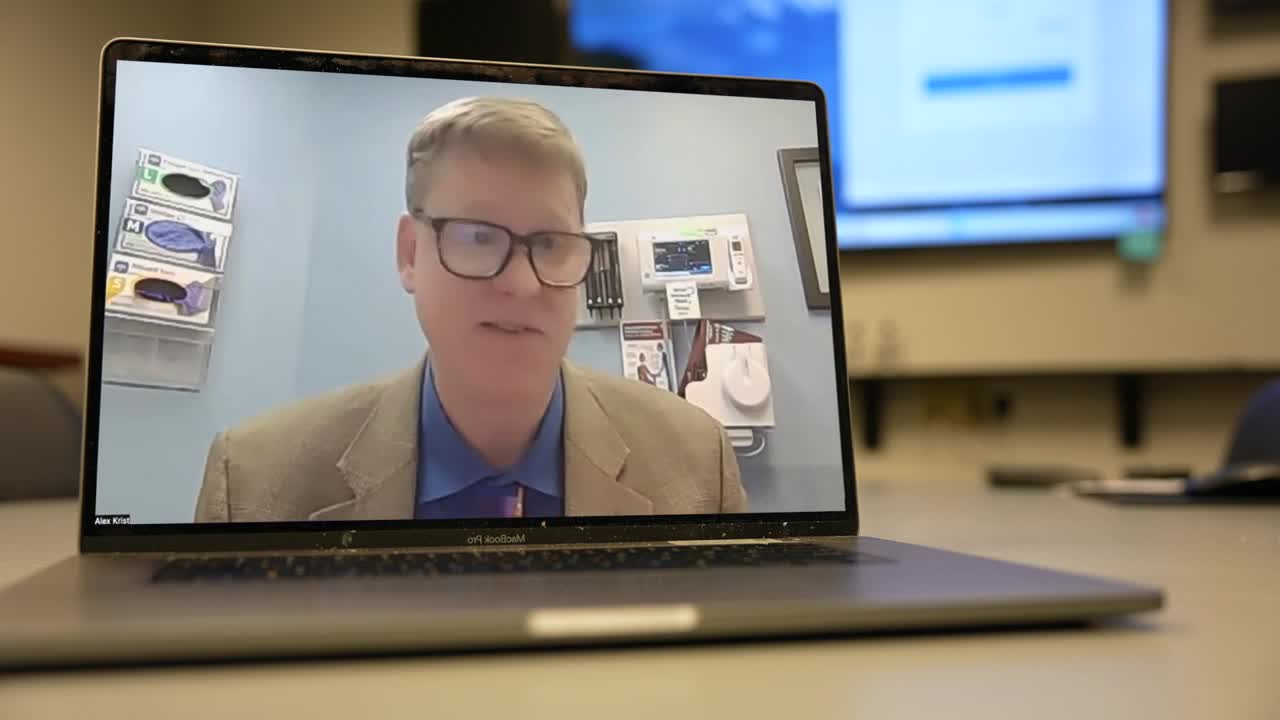
Dr. Alex Krist, a VCU family physician and researcher, says many aspects of healthcare can be delivered effectively through video visits. However, his extensive study found disparities still exist that can make it harder for some communities to access telehealth.
"Rural communities still are a little less likely to use telehealth. Communities with lower income are still less likely to use telehealth, and communities with more Black and minority populations are still less likely to use telehealth," Krist said. "So, there's some gaps we still need to close."
The 2021 data shows suburban areas accounted for 43.1% of all telehealth visits in Virginia, while rural areas made up 37.7% of visits and urban areas accounted for 18.5% of all visits.
Dr. Jong Hyung Lee, the study's co-author from VCU's School of Medicine, says multiple factors contribute to these disparities.
"The digital infrastructure or the normal infrastructure like the access to healthcare and the number of providers in a certain community. Those kind of factors can really play a big role when it comes to health outcomes," Lee said.
Lee believes health outcomes are often tied to a patient's zip code, population density, and demographics including race and disability status.
"I believe that certain populations or underserved communities, they should be geared towards, moving forward with reform in terms of health policy," Lee said.
Some progress is being made at the federal level. Krist says Congress recently reauthorized The Centers for Medicare & Medicaid Services protections for telehealth visits, extending coverage through 2028 as part of the most recent budget reconciliation.
"We need to see more of that payment ... where it's covered just the same as an in-person doctor's office visit," Krist said.
CBS 6 is committed to sharing community voices on this important topic. Email your thoughts to the CBS 6 Newsroom.
📲: CONNECT WITH US
Blue Sky | Facebook | Instagram | X | Threads | TikTok | YouTube

This story was initially reported by a journalist and has been converted to this platform with the assistance of AI. Our editorial team verifies all reporting on all platforms for fairness and accuracy. To learn more about how we use AI in our newsroom, click here.

