



Winter has arrived with a vengeance, and the cost of heating a home is going through the roof. But there are steps you can take to try to keep your energy bills down.
Bundle up – this winter has already been a cold one, and more frigid air is on the way.
"It's freezing, my nose hurts," one person said while braving the cold temperatures.
Heating bills are already climbing due to higher demand, delivery costs, and surging power usage.
Experts predict more than a 9% jump from last year, costing homeowners with electric heat more than $1,200 for the season and natural gas homeowners around $700, according to the National Energy Assistance Directors Association.

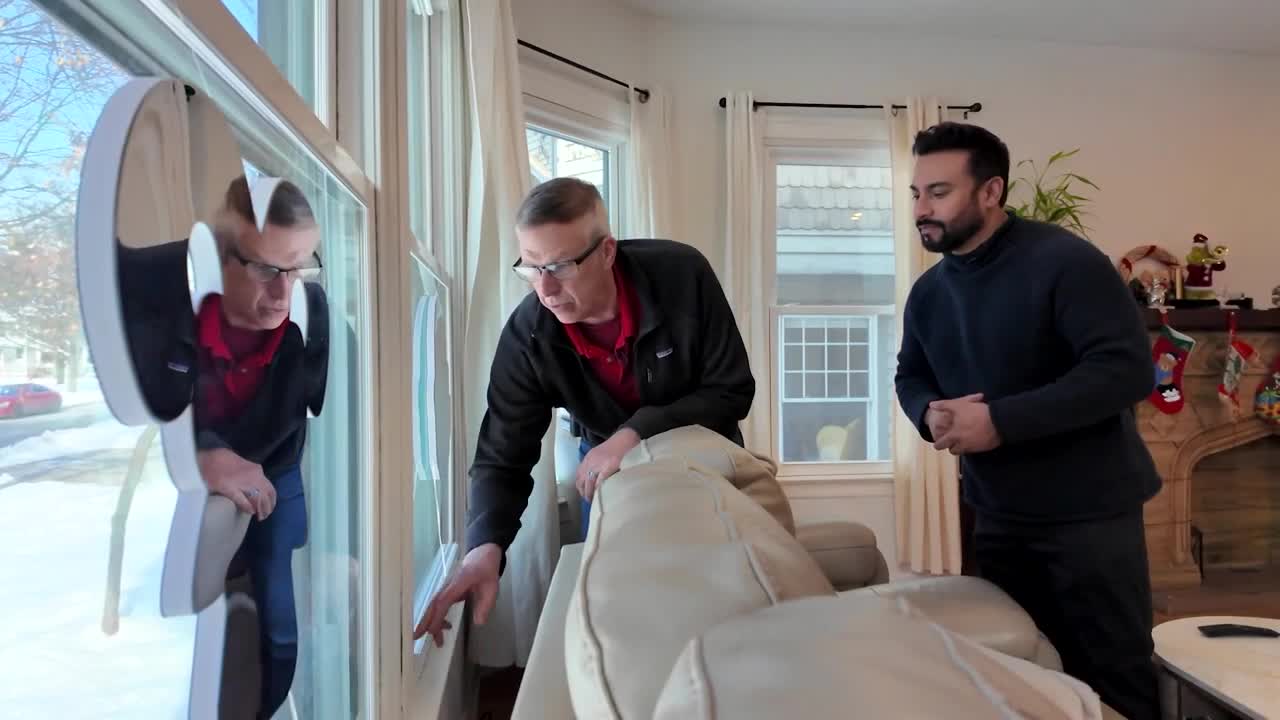
Building consultant Justin Castronova says homeowners can make fixes to lower energy costs by addressing air leaks throughout their homes.
"In this home in particular, we can actually see there's holes here and you can feel the cold air coming in. We can see some fairly large gaps and I can actually feel the cold air blowing through these gaps," Castronova said.
"Maintaining your weather stripping, caulking around the inside and outside – because there is different kinds and then the outlets you could spray foam around it after turning off the power of course and then they do make gasketed covers with a weather seal to minimize the drafts," Castronova said.
Another cost-saving upgrade involves newer appliances. It's an upfront cost that saves you long term.
"Anywhere from $10-$50 a month, depending on the size of the appliance and how many you have," Castronova said.
In older homes, to help bring bills down, just look up to the attic.
"In this attic in particular, there's not anywhere near enough modern insulation. You have about 1-2 inches and normally, I would want to see 1-2 feet," Castronova said.
Some utility companies will give you a free home energy audit or even incentives to help you make energy-saving upgrades.


This story was initially reported by a journalist and has been converted to this platform with the assistance of AI. Our editorial team verifies all reporting on all platforms for fairness and accuracy. To learn more about how we use AI in our newsroom, click here.
