

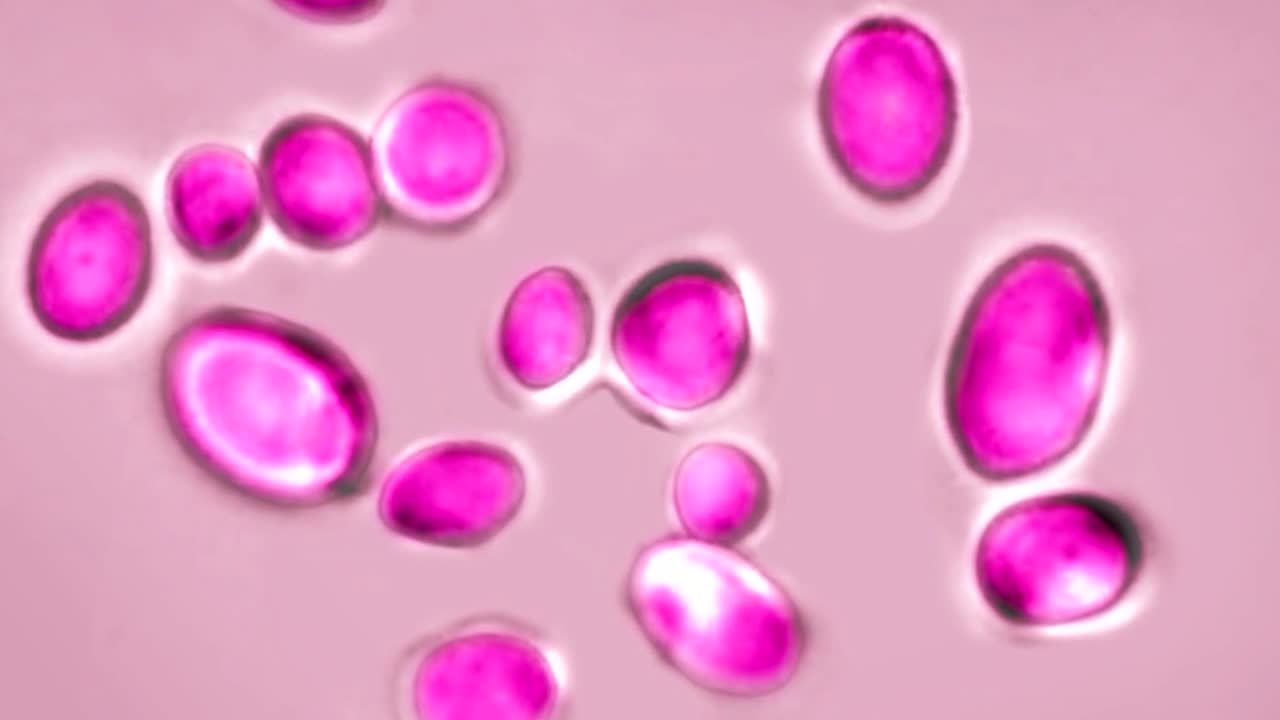


A dangerous fungus is spreading rapidly across hospitals and nursing homes nationwide, posing a growing public health threat as it becomes increasingly resistant to treatment.
Candida auris, a drug-resistant fungus that's difficult to detect, has seen a sharp increase in cases across the United States. According to the Centers for Disease Control and Prevention, there were more than 7,000 reported cases across the U.S. last year, representing a significant jump from just a few years ago.
The cases are now reported in more than half the states in the U.S., with the deadly infection spreading primarily in healthcare facilities, CBS News reported.
"When you have a colonizer that can colonize the skin and can also persist for long periods of time, for example, on bedrails, on catheters, you have a situation where you have extensive transmission," Dr. David Perlin said.
Perlin is the chief scientific officer at the Center for Discovery and Innovation at Hackensack Meridian Health. He said patients with severe underlying illnesses are most vulnerable to the infection.
Hackensack Meridian Health published a medical review last month warning that the fungus is becoming more resistant to anti-fungal drugs.
"And sometimes we get drug-resistant forms where there are no more antifungal drugs that are available to treat it. And that's why it's being called a 'superbug,'" Perlin said.
Researchers say outdated diagnostics often misidentify the infection, which delays treatment. While researchers are testing new antifungal drugs, experts say early detection and strict infection control are the best defenses right now.
📲: CONNECT WITH US
Blue Sky | Facebook | Instagram | X | Threads | TikTok | YouTube


This story was initially reported by a journalist and has been converted to this platform with the assistance of AI. Our editorial team verifies all reporting on all platforms for fairness and accuracy. To learn more about how we use AI in our newsroom, click here.
